
Dental Care for Dogs and Cats: Why It Matters
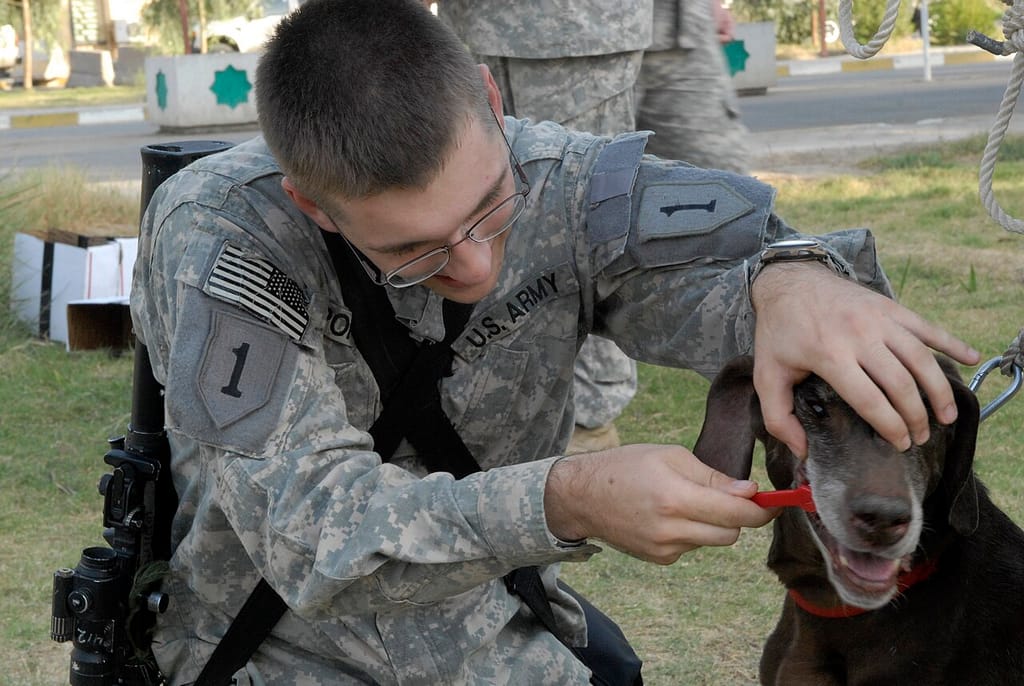
Bad breath is often brushed off as normal for pets, but it is usually the first sign of dental disease, the most common health problem vets see in dogs and cats. Plaque hardens into tartar, inflames the gums and can eventually lead to pain, tooth loss and infection that affects the rest of the body. The good news is that a simple routine at home makes a real difference.
Warning signs to look for
- Persistent bad breath
- Yellow or brown build-up along the gum line
- Red, swollen or bleeding gums
- Dropping food, chewing on one side or reluctance to eat hard food
- Pawing at the mouth or drooling
If you notice any of these, book a check-up with your vet. Once tartar has formed, only a professional clean can remove it.
Brushing: the gold standard
Daily brushing is the most effective way to prevent plaque. Even three times a week helps. Always use a toothpaste made for pets, because human toothpaste contains ingredients such as xylitol and fluoride that are not safe to swallow.
- Week 1: let your pet lick a little pet toothpaste from your finger.
- Week 2: gently rub the paste along the outer surface of the teeth with your finger.
- Week 3: introduce a finger brush or soft pet toothbrush, focusing on the back teeth and the gum line.
- Keep sessions under a minute and finish with praise or play.
Cats can learn to accept brushing too. Go slowly, use a fish- or poultry-flavoured paste and work in short sessions.
Helpful extras
When brushing is not possible every day, other products can support oral health:
- Dental chews with a texture that scrapes plaque as your pet chews. Choose the right size and account for the calories.
- Water additives and oral gels that reduce plaque-forming bacteria.
- Dental diets with kibble designed to clean teeth.
- Safe chew toys. Avoid very hard items such as antlers or bones that can crack teeth.
Professional care
Even with great home care, most pets benefit from a professional dental exam once a year. Your vet can clean below the gum line, take X-rays and treat problems before they become painful. Some groomers also offer tooth brushing as an add-on, which is a handy way to keep the habit going between vet visits.
Start today
It is never too late to begin. A few minutes a week protects your pet's comfort, appetite and long-term health, and fresher breath at cuddle time is a lovely bonus.
Visit the store to find pet toothpaste, brushes, dental chews and water additives, and ask our team what works best for your pet.