
Senior Pet Care: Keeping Older Pets Comfortable and Happy
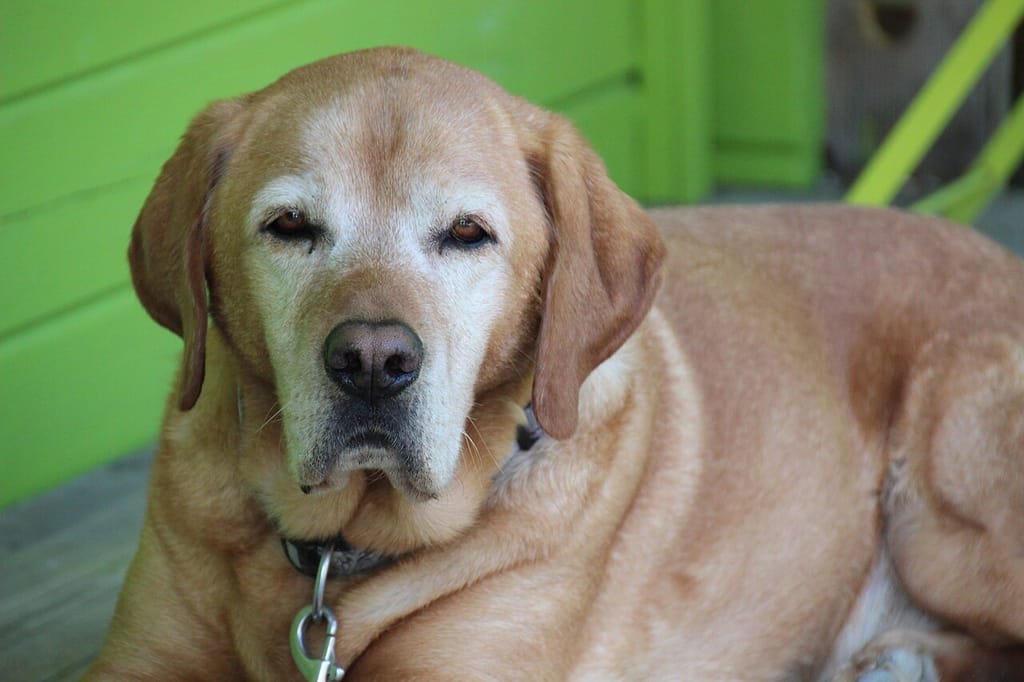
Senior pets have a special kind of charm: a grey muzzle, a gentler pace and a deep bond built over many years. Most dogs are considered seniors from around seven years old (earlier for giant breeds), and cats from around ten or eleven. With a few adjustments, older pets can stay comfortable, engaged and happy for many years.
See the vet more often
Health changes happen faster in older pets, so twice-yearly check-ups are a good idea. Routine blood and urine tests can catch kidney, liver, thyroid and diabetes problems early, when they are easiest to manage. Tell your vet about any change in thirst, appetite, weight, toilet habits, sleep or behaviour, even if it seems small.
Adjust the diet
Older pets often need fewer calories but still need high-quality protein to maintain muscle. Senior formulas usually reflect this and may include omega-3 fatty acids and joint-supporting ingredients. Keep your pet at a lean weight: every extra pound puts more strain on ageing joints. If chewing has become harder, try softer food or soak kibble in warm water.
Support stiff joints
- Keep exercise regular but gentler: two or three shorter walks are better than one long one.
- Add rugs or non-slip mats on slippery floors.
- Use ramps or steps for cars, beds and sofas.
- Choose an orthopaedic or memory-foam bed in a warm, draught-free spot.
- Ask your vet about joint supplements and pain relief if your pet seems stiff or sore.
Keep the mind busy
Mental stimulation helps slow cognitive decline. Puzzle feeders, snuffle mats, short training sessions with new tricks and gentle sniff walks are all great for older brains. Keep routines predictable, as many seniors find comfort in a steady daily rhythm.
Gentle grooming
Older pets may groom themselves less, and their skin and coat can become drier. Regular brushing keeps the coat clean and lets you check for new lumps, which should always be shown to your vet. Keep nails short to help with grip and balance, and keep the fur around the eyes, ears and bottom tidy. When booking a professional groom, ask for a shorter appointment with breaks, and let the groomer know about any sore spots or health conditions.
Watch for signs of pain
Pets hide pain well. Reluctance to jump or climb stairs, restlessness at night, panting, licking one area, irritability or withdrawing from the family can all signal discomfort. Do not assume it is "just old age"; much of it can be treated.
Enjoy the golden years
Senior pets thrive on comfort, routine and time with the people they love. A warm bed, a good meal, a gentle walk and a little extra patience make these years some of the sweetest you will share.
Visit the store for senior diets, joint supplements, orthopaedic beds and non-slip accessories, and our team will help you choose what suits your pet.