
Choosing the Right Food for Every Life Stage
The food that fuelled your bouncing puppy is not the right food for a relaxed ten-year-old. As pets grow and age, their need for calories, protein, fat and certain nutrients changes. Feeding for life stage is one of the simplest ways to support your pet's health over the years.
Puppies and kittens
Growing bodies need more calories per pound, more protein and a carefully balanced level of calcium and phosphorus for healthy bones. Look for food labelled "for growth" or "for all life stages".
- Large-breed puppies need a large-breed puppy formula. Growing too fast can strain developing joints, so these foods control calories and calcium.
- Feed three to four small meals a day for young puppies and kittens, dropping to two meals as they mature.
- Most dogs move to adult food between 9 and 15 months depending on size; kittens at around 12 months.
Adults
Adult pets need a food labelled "for adult maintenance" that matches their size and activity level. The biggest risk at this stage is weight gain. Weigh your pet regularly, measure meals rather than guessing, and count treats as part of the daily total. You should be able to feel the ribs easily under a thin layer of fat.
Very active dogs, working dogs and sporting breeds may benefit from a performance formula with more fat and protein. Indoor cats often do well on a lower-calorie indoor formula.
Seniors
From around seven years old for most dogs (earlier for giant breeds) and ten or eleven for cats, metabolism slows and joints, teeth and kidneys may need extra support.
- Senior formulas usually have fewer calories but high-quality protein to protect muscle.
- Added omega-3 fatty acids, glucosamine and antioxidants can support joints and overall health.
- Softer textures or wet food can help pets with dental issues.
Always discuss senior diets with your vet, especially if your pet has kidney, heart or weight concerns.
How to read the label
Check the nutritional adequacy statement on the bag. It tells you which life stage the food is complete and balanced for. Then look at the feeding guide as a starting point, and adjust based on your pet's body condition.
Switching foods safely
Change food gradually over seven to ten days to avoid tummy upsets:
- Days 1-3: 25% new food, 75% old food.
- Days 4-6: 50% new, 50% old.
- Days 7-9: 75% new, 25% old.
- Day 10: 100% new food.
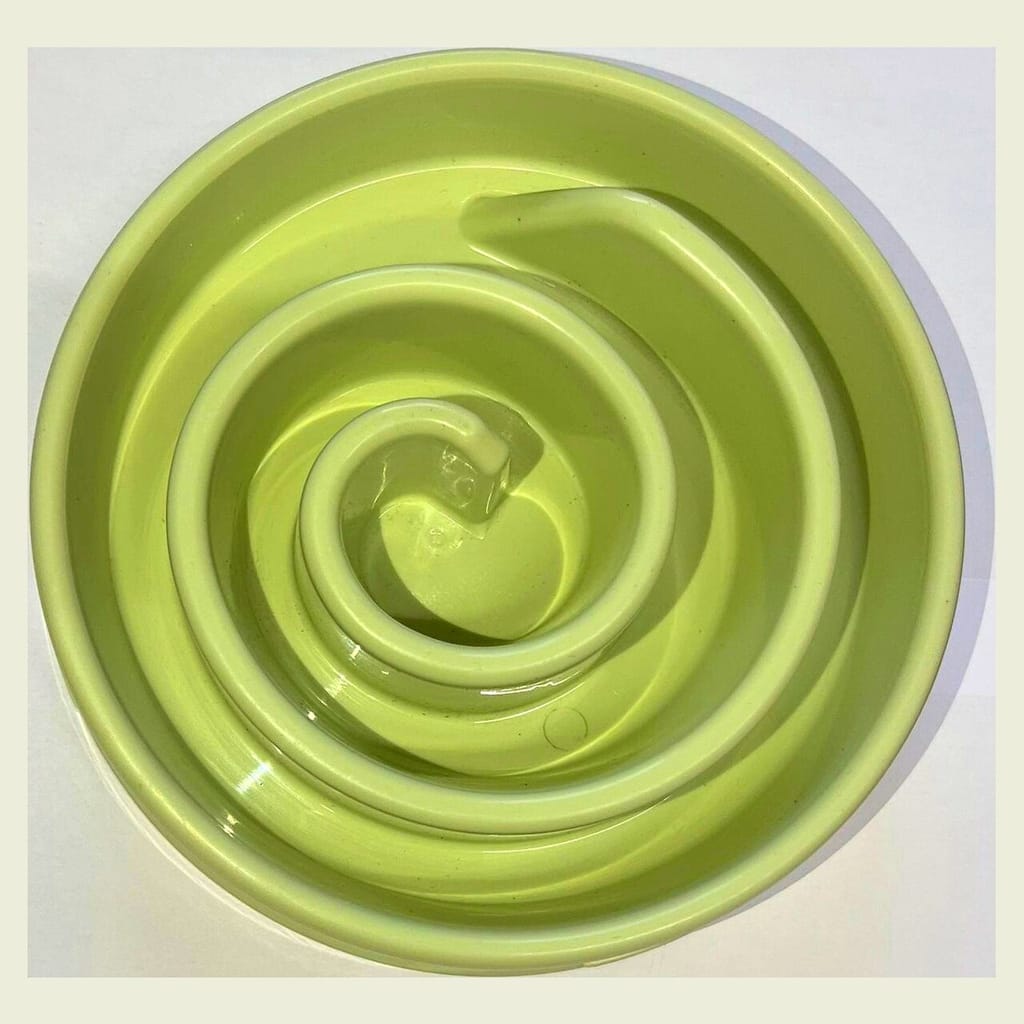
Slow-feeder bowls are a great addition for pets that gulp their meals, helping with digestion and adding a little mental stimulation.
Not sure which formula is right? Bring your pet's current bag to the store and our team will help you compare options for their age, size and lifestyle.